Appliance Error Codes &
Troubleshooting Guides
Find error codes for refrigerators, washers, dryers, dishwashers, ovens, and ranges. Learn what common fault codes mean, what may be causing them, and which components or systems may need to be checked.
FIND ERROR CODES BY BRAND & APPLIANCE
LG REFRIGERATOR
ERROR CODES
Cooling, defrost, ice maker, sensor & communication fault codes
LG WASHER
ERROR CODES
Drain, spin, water supply, door lock & motor fault codes
LG DRYER
ERROR CODES
Heating, airflow, motor, sensor & control fault codes
LG OVEN & RANGE
ERROR CODES
Temperature, ignition, sensor, door lock & control fault codes
LG DISHWASHER
ERROR CODES
Drain, fill, heating, leak & circulation fault codes
On This Page
- How Appliance Error Codes Work
- Error Code vs. Failed Part
- Why Error Codes Can Differ
- How to Read an Error Code
- What to Do When a Code Appears
- Can You Reset an Error Code?
- Why Error Codes Come Back
- Common Types of Error Codes
- Error Codes Without a Display
- Stored Codes & Diagnostic Mode
- Find Your Appliance Model Number
- Why Symptoms Still Matter
- When to Call a Professional
- Using Error Codes for Troubleshooting
Understanding Appliance Error Codes: What They Mean and How to Use Them
Modern appliances rely on electronic controls, sensors, switches, motors, valves, and other components that constantly interact while the appliance is operating.
When the control system detects a condition that does not match what it expects, it may display an error code, fault code, or combination of letters and numbers on the control panel.
These codes can provide valuable diagnostic information.
However, an error code does not always identify the component that has failed. In many cases, it identifies the system, circuit, or operating condition where a problem was detected.
A dishwasher drain error, for example, does not necessarily mean that the drain pump is defective. A blocked filter, restricted drain hose, wiring problem, plumbing obstruction, or control issue may produce a similar result.
The same principle applies to refrigerators, washers, dryers, ovens, ranges, and other electronically controlled appliances.
Understanding what an error code actually represents, and what it does not, can make troubleshooting more accurate and help prevent unnecessary part replacement.
This guide explains how appliance error codes work, why they appear, how they should be interpreted, and what information is useful when diagnosing the underlying problem.
How Appliance Error Codes Work
Modern appliances use an electronic control system to coordinate their operation.
Depending on the appliance, the control may monitor information from:
- temperature sensors
- water-level sensors
- pressure sensors
- door and lid switches
- motor speed sensors
- moisture sensors
- flow sensors
- position sensors
- heating circuits
- pumps
- fans
- communication circuits
- other electronic modules
During normal operation, the control expects certain conditions to occur within specific periods of time.
A simplified process might look like this:
Control activates component → Appliance begins operating → Sensor provides feedback → Control evaluates the feedback → Operation continues or an error is detected
Consider a washer during the drain portion of a cycle.
The control may activate the drain pump and expect the water-level system to indicate that the tub has emptied within a certain amount of time.
If the expected change does not occur, the control may determine that the washer has a drainage problem and display a corresponding error code.
But the control usually cannot directly determine why the water did not drain.
Possible causes could include:
- clogged drain filter
- blocked drain hose
- failed drain pump
- object obstructing the pump
- pressure-sensing problem
- damaged wiring
- electronic control problem
The error code tells you what condition the control detected.
Further troubleshooting determines what caused that condition.
An Error Code Does Not Always Identify the Failed Part
One of the most important principles of appliance diagnostics is:
An error code is not necessarily a diagnosis.
It is usually a diagnostic clue.
For example, suppose a dishwasher displays an error indicating that it is taking too long to drain.
It may be tempting to assume:
Drain error → Bad drain pump
But the actual diagnostic path may look more like:
Drain Error → Check Filter → Check Sump → Check Drain Hose → Check Household Drain Connection → Test Drain Pump → Inspect Wiring → Evaluate Control
The pump is only one part of the system.
The same principle applies to other types of errors.
A refrigerator temperature error may involve a temperature sensor, but it could also be related to airflow, a fan, a defrost problem, wiring, or an actual cooling-system failure.
A dryer heating error might involve the heater, but thermostats, thermal protection devices, airflow, power supply, wiring, relays, or sensors may also be involved.
An oven temperature code does not automatically mean the temperature sensor needs to be replaced.
Good troubleshooting starts with the condition represented by the code and then tests the systems capable of producing that condition.
Why the Same Error Code Can Mean Different Things
Error codes are not universal.
There is no single standardized error-code system shared by all appliance manufacturers.
The meaning of a code can depend on:
- manufacturer
- appliance type
- model
- product generation
- control platform
- specific configuration
For example, a two-character code used on one manufacturer’s washer may have an entirely different meaning on another manufacturer’s dishwasher.
Even appliances from the same brand can use different fault-code systems.
An older washer platform may use one set of codes while a newer model family uses another.
This is why identifying only the characters shown on the display is sometimes not enough.
For reliable error-code information, it is useful to know:
Brand → Appliance Type → Model Number → Exact Error Code
The model number can be particularly important when a manufacturer has produced several generations of an appliance using different electronic controls.
Similar-looking codes can also cause confusion
Digital displays can make certain characters difficult to distinguish.
Depending on the display design, users may confuse:
Oand0Iand1Sand5Band8
Some manufacturers also use combinations of uppercase letters, lowercase letters, numbers, flashing indicators, or alternating characters.
Recording exactly what appears on the display — or taking a photo before resetting the appliance — can make identification easier.
How to Read an Appliance Error Code Correctly
Before troubleshooting the code itself, collect a few pieces of information.
1. Record the exact code
Write down exactly what appears on the display.
Do not rely entirely on memory, especially if the code contains similar-looking letters and numbers.
If possible, take a photo.
Some appliances display multiple codes sequentially, so note each one and the order in which they appear.
2. Identify the appliance type
Determine whether you are dealing with a:
- refrigerator
- washer
- dryer
- dishwasher
- oven
- range
- cooktop
This may sound obvious, but manufacturers frequently reuse similar code formats across different product categories.
3. Identify the manufacturer
Error-code definitions are manufacturer-specific.
An LG code should be interpreted using information applicable to LG appliances. The same applies to Samsung, Whirlpool, GE, Maytag, KitchenAid, Frigidaire, Bosch, and other manufacturers.
4. Find the model number
The model number helps identify the exact product family and technical documentation applicable to the appliance.
Model-number labels are usually located somewhere on the appliance itself rather than on the control panel.
The location varies by appliance type and manufacturer.
5. Note when the error occurs
The point in the operating cycle where the error appears can be extremely useful.
For example:
During filling may suggest a water-supply, valve, sensor, or water-level issue.
During draining directs attention toward the drainage system.
During heating may involve heating components, temperature sensing, airflow, or power.
Immediately after pressing Start may involve a door/lid circuit, controls, communication issue, or another required startup condition.
After operating normally for some time may suggest a temperature-dependent or intermittent failure.
The error code and the operating symptoms should be considered together.
What to Do When an Appliance Error Code Appears
Seeing an unfamiliar code does not necessarily mean that the appliance has suffered a major failure.
Start by documenting what happened.
A useful sequence is:
Record the code → Identify the appliance and model → Note when the code appeared → Check basic operating conditions → Find the correct code definition → Diagnose the affected system
Before disassembling the appliance, check simple external conditions that may explain the fault.
Depending on the code, this could include:
- household power
- circuit breakers
- water supply
- drain connection
- blocked accessible filters
- door or lid closure
- appliance loading
- airflow
- obvious hose restrictions
Also consider what happened immediately before the error appeared.
Was the appliance recently installed?
Was it moved?
Did a circuit breaker trip?
Was plumbing work performed?
Did the error appear after a power interruption?
Was a filter recently cleaned?
Does the code appear every cycle or only occasionally?
These details can provide diagnostic clues that the error code alone cannot provide.
Can You Reset an Appliance Error Code?
Many appliance errors can temporarily disappear after the appliance is turned off or disconnected from power.
This is often referred to as a reset.
A reset may be useful when the control has experienced a temporary software or communication condition.
However:
Resetting an error code does not repair the condition that caused it.
If a blocked drain hose caused a washer to display a drain error, resetting the control does not remove the blockage.
If a refrigerator cannot maintain temperature because a fan is not operating, clearing the code does not restore airflow.
If an oven detects an abnormal temperature-sensor circuit, cycling the power does not repair a damaged sensor or wiring connection.
A reset should therefore not be treated as a substitute for diagnosis.
Also keep in mind that reset procedures vary between manufacturers and models. There is no universal button combination that correctly resets every appliance.
Why an Error Code Comes Back After Resetting
When a code disappears and later returns, the control has usually detected the abnormal condition again.
This can happen immediately or only when the appliance reaches the part of the cycle where the affected system is used.
For example, a dishwasher may start normally after being reset but display a drainage error when it reaches the first drain portion of the cycle.
A dryer may operate initially and then display a temperature-related fault after heating begins.
A refrigerator may run for hours before detecting that expected temperature changes are not occurring.
This distinction can help separate two general types of problems.
Temporary conditions
Some errors can result from brief interruptions, unusual operating conditions, or temporary electronic communication problems.
If the condition does not return, further repair may not be necessary.
Persistent or intermittent faults
If the same error repeatedly returns, the underlying condition still exists or occurs intermittently.
Intermittent faults can be especially difficult to diagnose because the appliance may operate normally between failures.
Loose electrical connections, temperature-sensitive components, failing motors, sensors, and electronic controls can sometimes behave this way.
Repeatedly resetting the appliance may hide the symptom temporarily, but it does not determine why the error keeps returning.
Common Types of Appliance Error Codes
Although individual codes vary by manufacturer, many appliance faults can be grouped according to the system being monitored.
Understanding these categories makes error-code troubleshooting easier.
1. Water Fill & Supply Errors
Washers and dishwashers need to receive an appropriate amount of water within a certain period.
The control may monitor filling using pressure sensors, water-level switches, flow meters, or other systems.
A fill-related error can be associated with:
- household water supply
- shutoff valve
- inlet hose
- inlet screens
- water inlet valve
- pressure sensor
- flow sensor
- wiring
- electronic control
Low household water pressure or a partially restricted supply path can sometimes produce the same general error condition as an electrical component failure.
The code identifies the fill problem; testing determines why filling is abnormal.
2. Drainage Errors
Drain-related codes are common on washers and dishwashers.
The control may determine that water remains in the appliance longer than expected.
Possible causes include:
- clogged filter
- blocked pump
- restricted drain hose
- kinked hose
- plumbing obstruction
- failed drain pump
- water-level sensing problem
- damaged wiring
- control problem
The exact diagnostic path depends on the appliance.
A dishwasher may also have a restriction where its drain hose connects to the sink plumbing or garbage disposal.
A washer may have an accessible pump filter capable of collecting coins, fabric, or other debris.
3. Heating & Temperature Errors
Several appliance types monitor temperature.
Dishwashers need appropriate water temperatures for parts of the wash and drying process.
Dryers regulate air temperature.
Ovens need accurate cavity temperature control.
Refrigerators monitor multiple temperature zones.
A heating or temperature-related code may involve:
- heating element
- igniter or burner system
- temperature sensor
- thermistor
- thermostat
- thermal protection device
- relay
- wiring
- airflow
- electronic control
The sensor reporting an unexpected temperature is not necessarily the component causing the problem.
For example, a correctly functioning temperature sensor may simply be reporting that the appliance failed to heat.
4. Motor & Drive Errors
Washers, dryers, dishwashers, and some refrigerator systems rely on electric motors.
Depending on the appliance, motors may operate:
- washer drum or basket
- dryer drum
- circulation pump
- drain pump
- refrigerator fans
- ice-making mechanisms
Modern controls may monitor motor speed, current, position, or feedback from dedicated sensors.
A motor-related error may therefore involve:
- motor itself
- mechanical obstruction
- overloaded system
- speed or position sensor
- drive components
- wiring harness
- inverter or motor-control board
- main electronic control
Mechanical and electrical problems can sometimes produce very similar codes.
5. Door, Lid & Lock Errors
Many appliances need confirmation that a door or lid is in the correct position before certain operations are allowed.
Washers may lock the lid or door before high-speed spin.
Dishwashers generally require the door to be latched before washing begins.
Self-cleaning ovens use a locking mechanism to prevent the door from being opened during extremely high-temperature operation.
Door- or lock-related errors may involve:
- latch
- lock mechanism
- door switch
- lid switch
- alignment
- wiring
- mechanical obstruction
- control circuit
A door that appears closed to the user may not necessarily be providing the electrical signal expected by the control.
6. Cooling & Defrost Errors
Refrigerators have additional diagnostic categories related to maintaining cold temperatures.
Modern refrigerators may monitor:
- refrigerator compartment temperature
- freezer temperature
- evaporator temperature
- condenser conditions
- fan operation
- defrost operation
- ice maker systems
Cooling-related codes may involve:
- thermistors
- evaporator fan
- condenser fan
- defrost heater
- defrost sensor
- compressor control
- inverter
- wiring
- electronic control
Some refrigerator codes indicate a specific monitored circuit, while others may appear after the control determines that expected temperature conditions have not been reached.
Related troubleshooting: Refrigerator Not Cooling →
7. Sensor Errors
Sensors allow electronic controls to understand what is happening inside the appliance.
Depending on the design, sensors may monitor:
- temperature
- moisture
- water level
- water flow
- motor position
- drum speed
- door position
- pressure
- ice level
A sensor error can indicate that the control is receiving a signal outside the expected range.
However, that does not always mean the sensor itself has failed.
The problem may be located anywhere in the circuit:
Sensor → Connector → Wiring → Control Board
Damaged connectors, corrosion, loose terminals, broken wires, or control-board problems can sometimes create the same electrical condition as a defective sensor.
This is why resistance, voltage, continuity, or other electrical testing may be necessary before replacing a component.
8. Communication & Control Errors
Modern appliances may contain several electronic modules rather than one control board.
For example, an appliance may have separate:
- main control board
- user-interface board
- motor-control board
- inverter board
- display module
These modules may communicate electronically.
If communication is interrupted, the appliance may display a communication error.
Possible causes include:
- loose connector
- damaged wiring harness
- poor electrical connection
- power-supply problem
- failed electronic module
- main control problem
A communication error does not automatically reveal which board has failed.
The wiring and power supplied to each module may need to be verified before electronic controls are replaced.
9. Leak & Overflow Errors
Dishwashers and washers may include systems designed to detect excessive water levels or water where it should not be present.
Depending on the appliance, the system may use:
- float
- float switch
- pressure sensor
- water-level sensor
- base-pan leak sensor
When an abnormal condition is detected, the control may stop filling and activate the drain pump.
Some dishwashers may run the drain pump continuously when water is detected in the base.
This can make the appliance appear to have a drain-pump or control problem even though it is intentionally attempting to protect the home from additional leakage.
The important diagnostic question becomes:
Why was the overflow or leak condition detected?
The source may be an internal hose, pump seal, inlet system, excessive suds, door area, or another water-containing component.
Error Codes With No Code Display
Not every appliance has a display capable of showing letters and numbers.
Some models communicate faults through indicator lights, sounds, or button sequences.
Examples can include:
- flashing LEDs
- repeating blink patterns
- illuminated cycle indicators
- audible beeps
- combinations of lights
- stored diagnostic codes accessible through service mode
The number and sequence of flashes can represent specific conditions.
Because these systems vary substantially between manufacturers and models, the correct technical information for the appliance is important when interpreting them.
A flashing light by itself should not be assumed to mean the same thing across different appliances.
Stored Error Codes and Diagnostic Mode
Some appliances can store fault information even after the visible error disappears.
Technicians may be able to access this information through a diagnostic or service mode.
Stored fault history can be valuable when troubleshooting intermittent problems.
For example, an appliance may operate normally during a service visit but contain previous errors associated with:
- failed heating
- abnormal motor operation
- water-level problems
- temperature conditions
- communication failures
However, stored codes also require interpretation.
A historical code may describe a previous problem that has already been corrected or a condition that occurred only once.
The presence of a stored code alone does not prove that the same fault is currently active.
Diagnostic mode can also operate components differently from a normal consumer cycle, so results should be interpreted in the context of the appliance’s normal operation.
Where to Find Your Appliance Model Number
The model number is one of the most useful pieces of information when researching an error code.
Do not rely only on the brand name printed on the front of the appliance.
Manufacturers can produce many different models that look almost identical while using different components, controls, and diagnostic systems.
Typical model-number locations include:
Refrigerators: inside the fresh-food compartment, on an interior wall, ceiling area, or near a drawer.
Washers: around the door opening, under the lid, or on the rear portion of the cabinet.
Dryers: around the door opening or on the cabinet.
Dishwashers: along the side or upper edge of the door or around the tub opening.
Ovens and ranges: around the door frame, storage drawer area, or rear identification label.
The exact location varies by manufacturer and model.
When researching an error, record the complete model number rather than only the product series or marketing name.
Why Symptoms Still Matter When You Have an Error Code
An error code should never completely replace observation.
Two appliances displaying the same code may have different underlying failures.
Suppose two washers display the same drain-related fault.
The first washer has a drain pump that can be heard running, but water barely moves through the hose.
The second washer reaches the drain stage and the pump remains completely silent.
Although the displayed code may be identical, these symptoms suggest different diagnostic directions.
Useful observations include:
- whether water enters
- whether the drum or motor moves
- whether pumps can be heard
- whether the appliance heats
- whether fans operate
- whether water drains
- whether unusual noises occur
- when the error appears
- whether the error is intermittent
- whether the appliance completes the cycle
Combining the error code with actual operating symptoms produces much more useful diagnostic information than relying on either one alone.
When an Error Code Requires Professional Diagnosis
Some error-code conditions can be traced to simple problems such as a blocked filter, closed water valve, improperly closed door, or restricted hose.
Others require electrical or component-level testing.
Professional diagnosis may be appropriate when troubleshooting involves:
- live-voltage measurements
- high-voltage circuits
- gas components
- heating circuits
- internal wiring
- electronic control boards
- inverter systems
- sealed refrigeration systems
- repeated electrical failures
- inaccessible internal components
It is also worth having the appliance inspected when the same error repeatedly returns after basic conditions have been checked.
Replacing parts based only on the displayed code can become expensive quickly.
A technician may need to verify power, resistance, continuity, sensor values, component operation, wiring integrity, or control signals to determine where the actual failure is located.
Using Error Codes as a Troubleshooting Starting Point
Error codes are one of the most useful diagnostic features built into modern appliances, but they work best when they are understood correctly.
The basic principle is:
Error Code → Detected Condition → Affected System → Possible Causes → Testing → Diagnosis
Not:
Error Code → Automatically Replace a Part
Start with the exact code, appliance type, manufacturer, and model number.
Then consider when the error occurs and what the appliance is actually doing at that moment.
Use the code to identify the affected system and narrow the possible causes.
Simple external conditions can often be checked first. More complex electrical, mechanical, gas, or refrigeration problems may require proper testing.
Understanding this distinction can prevent unnecessary repairs and make error-code troubleshooting much more effective.
Use the Appliance Error Codes & Diagnostics categories above to find error-code information for your appliance and manufacturer.
On This Page
- How Appliance Error Codes Work
- Error Code vs. Failed Part
- Why Error Codes Can Differ
- How to Read an Error Code
- What to Do When a Code Appears
- Can You Reset an Error Code?
- Why Error Codes Come Back
- Common Types of Error Codes
- Error Codes Without a Display
- Stored Codes & Diagnostic Mode
- Find Your Appliance Model Number
- Why Symptoms Still Matter
- When to Call a Professional
- Using Error Codes for Troubleshooting
Appliance Repair Throughout the Denver Metro Area
Need Help With an Appliance Error Code?
An error code can point you in the right direction, but it doesn’t always identify the failed part.
Mint Appliance Repair provides professional diagnostics and repair throughout the Denver metro area.
Refrigerator, washer & dryer
Oven & dishwasher
Advanced diagnostics
Denver metro experts
TROUBLESHOOTING BY PROBLEM
- Refrigerator Not Cooling
- Dishwasher Not Draining
- Washer Won’t Drain
- Appliance Making Noise
- Dryer Not Heating
- Appliance Leaking Water
- Oven Not Heating
- Appliance Won’t Turn On
FEATURED REPAIR GUIDES
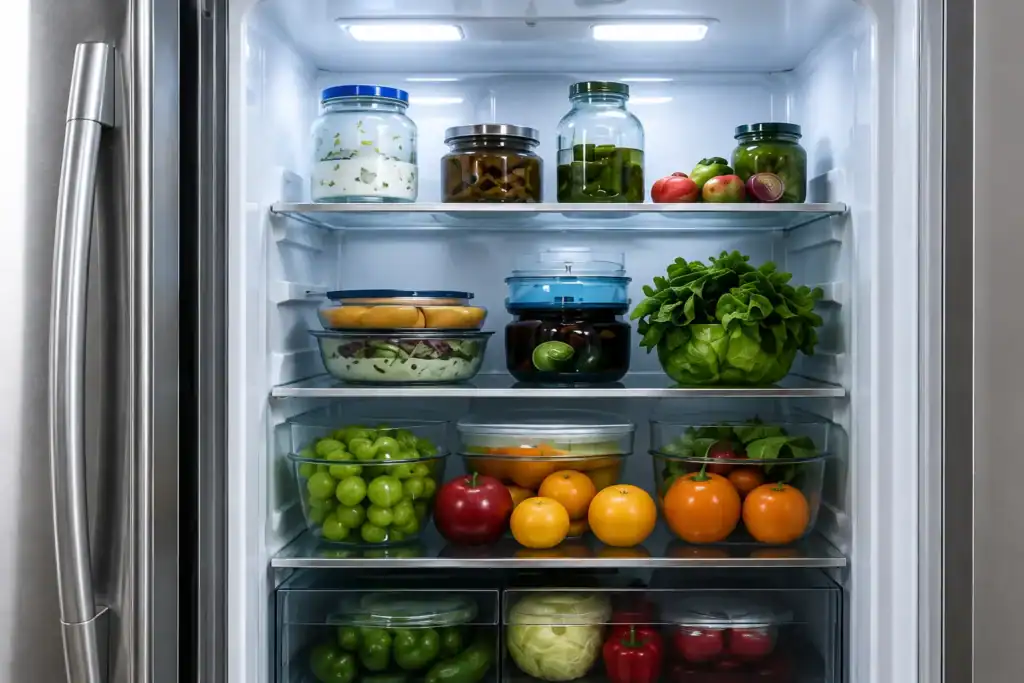
Why Is My Refrigerator Not Cooling?
Common causes include dirty condenser coils, failed fans, defrost problems, sensors, and sealed-system failures.
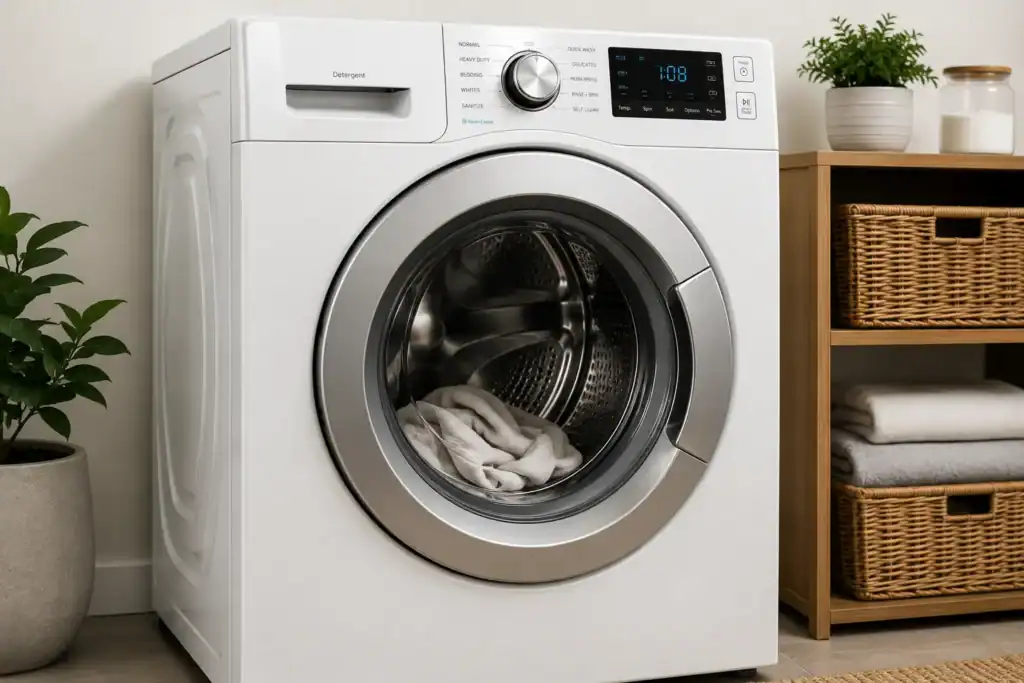
Why Won’t My Washer Drain?
Learn what causes drainage issues and how to diagnose pumps, hoses, and filters.
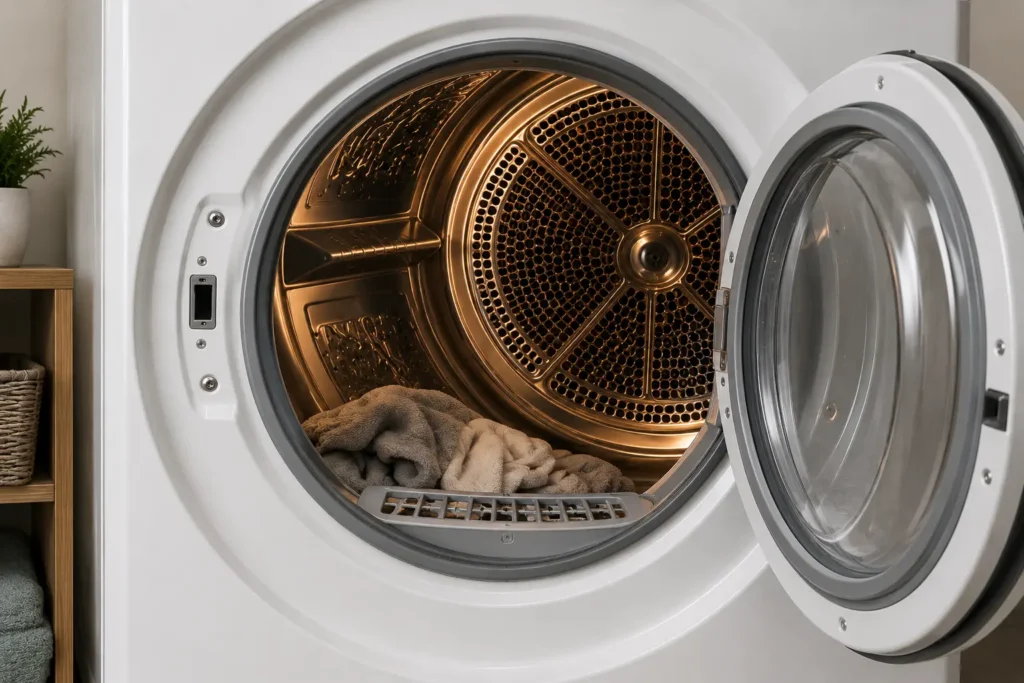
Why Is My Dryer Not Heating?
Find out the most common reasons why your dryer doesn’t heat and how to fix them.
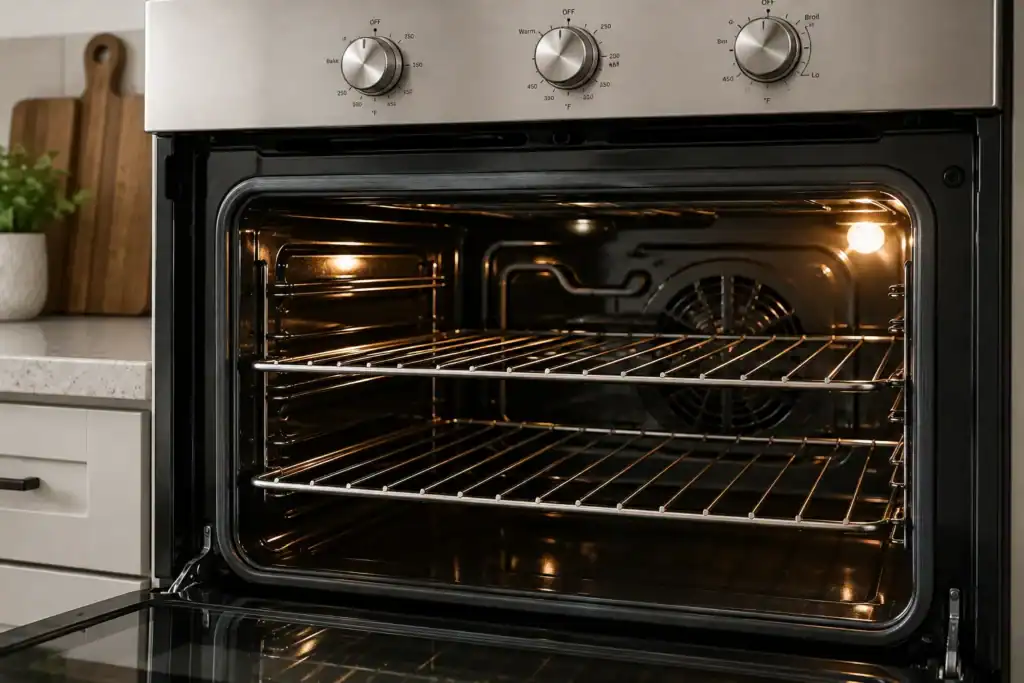
Oven Not Heating? Top 6 Causes
From bad igniters to control boards—here’s how to identify the problem.