
Washer Troubleshooting
& Repair Guides
Find answers to common washer problems, understand how your washing machine works, and learn what may be causing draining, spinning, leaking, vibration, and electrical issues. Explore troubleshooting guides, error codes, maintenance tips, and technical insights from appliance repair professionals.
On This Page
- How a Washing Machine Works
- Water Fill System
- Water Level & Pressure Sensing
- Drum & Drive System
- Drain System
- Spin System
- Door & Lid Lock System
- Suspension & Vibration Control
- Bearings & Tub Support
- Electrical & Control System
- Detergent & HE Washing
- Common Washer Problems
- Understanding Error Codes
- Repair or Replace?
- Washer Maintenance
- Troubleshooting Overview
Understanding Your Washer: How It Works and Why Problems Occur
A washing machine may seem straightforward: load the clothes, add detergent, select a cycle, and press Start. Inside the appliance, however, several mechanical, electrical, water, and control systems must work together in a precise sequence.
The washer needs to fill with the correct amount of water, distribute detergent, move the clothes through the wash cycle, maintain the selected temperature, drain the dirty water, and spin the load at high speed to remove as much moisture as possible.
A problem with any one of these processes can interrupt the entire cycle.
Understanding how a washer operates can also make common symptoms easier to interpret. A machine that fills but will not agitate, for example, points toward a different group of possible problems than a washer that completes the wash portion of the cycle but leaves water in the tub.
This guide explains the major systems inside a household washing machine, how they work together, and why common washer problems develop.
How a Washing Machine Works
Although washer designs vary between manufacturers and models, most machines follow the same general sequence:
Door or lid locks → Water enters → Detergent mixes with the load → Drum or agitator moves the clothes → Water drains → Load is rinsed → Washer drains again → Drum spins at high speed
The exact process depends on the type of washer.
Front-Load Washers
Front-load washers use a horizontal drum that rotates in both directions.
As the drum turns, clothes are lifted and dropped through a relatively small amount of water and detergent solution.
During the final spin, the drum rotates at high speed and centrifugal force removes water from the fabric.
Top-Load Washers
Top-load designs vary considerably.
Traditional machines may use a central agitator, while high-efficiency top-load washers often use an impeller or wash plate at the bottom of the basket.
Some models use different drive systems, suspension designs, and methods of determining water level.
Regardless of design, every washer must coordinate water flow, drum movement, drainage, and spin operation correctly.
If one stage cannot be completed, the control system may stop the cycle rather than continue to the next stage.
Let’s look at the major systems separately.
1. The Water Fill System
Every wash cycle begins with getting water into the machine.
A typical water path looks approximately like this:
Household Water Supply → Inlet Hoses → Water Inlet Valve → Dispenser → Tub
The water inlet valve is electrically controlled.
When the washer requests water, the control system energizes the appropriate section of the valve. Depending on the selected cycle and temperature, the machine may use hot water, cold water, or a combination of both.
Modern washers may also route water through different dispenser compartments for:
- detergent
- fabric softener
- bleach
- other laundry additives
Several conditions can affect filling.
Common examples include:
- household water supply turned off
- kinked inlet hose
- clogged inlet screen
- low water pressure
- failed inlet valve
- dispenser blockage
- wiring problem
- control system fault
A washer that does not fill is therefore not necessarily experiencing a valve failure.
The machine may also refuse to fill if another required condition — such as proper door or lid locking — has not been satisfied.
2. Water Level and Pressure Sensing
The washer needs to know how much water is inside the tub.
Older machines often use a mechanical pressure switch. Modern washers commonly use electronic pressure sensors and software-controlled water-level calculations.
In many designs, an air chamber and pressure hose connect the tub to a sensor.
As the water level rises, pressure inside the hose changes.
The basic relationship is:
Water enters tub → Water level rises → Air pressure changes → Sensor detects pressure → Control determines water level
Some high-efficiency machines also consider load size, fabric movement, cycle selection, and other sensor information when deciding how much water to use.
A problem in this system can produce unusual symptoms.
The washer may:
- fill with too little water
- overfill
- continue filling
- stop during the cycle
- display a water-level error
- drain unexpectedly
A blocked pressure hose, air leak, inaccurate sensor, or control problem can all affect water-level detection.
Because the sensor is measuring pressure rather than directly “seeing” the water, restrictions elsewhere in the system can sometimes create misleading symptoms.
3. Drum, Agitator and Drive System
Once the washer has the required amount of water, the load needs to move.
How that movement is produced depends heavily on washer design.
Front-load washers rotate the drum back and forth.
Traditional top-load washers may move an agitator through the load.
High-efficiency top-load washers may use an impeller or wash plate.
The drive system can include components such as:
- drive motor
- belt
- pulley
- transmission or gearcase
- clutch
- rotor and stator
- motor control electronics
- agitator
- wash plate
- drive hub
Not every washer contains all of these components.
Some machines use belt-driven motors, while others use direct-drive systems. Some rely on traditional mechanical transmissions, while others use electronically controlled motors capable of operating at many different speeds.
When the drive system has a problem
Symptoms can vary considerably.
The washer might fill normally but fail to agitate or tumble.
It may wash but refuse to spin.
The drum may turn slowly, jerk unexpectedly, or produce unusual noises.
In other cases, the motor may be capable of operating normally but the control system prevents it from running because another condition has not been satisfied.
This is why a drum that does not move does not automatically mean the motor has failed.
Related guide: Washer Won’t Spin? Common Causes and What to Check →
4. The Drain System
After washing and rinsing, dirty water has to leave the machine.
A typical drain path is:
Tub → Sump / Drain Outlet → Drain Pump → Drain Hose → Household Drain
The drain pump moves water out of the washer.
Depending on the design, small objects and debris may pass through or become trapped in the pump or filter area.
Coins, hair pins, fabric, lint, small socks, and other objects can interfere with drainage.
Common drainage problems include:
- clogged pump filter
- obstructed drain pump
- failed pump motor
- kinked drain hose
- blocked drain hose
- improperly installed drain hose
- excessive detergent suds
- wiring or control problems
Drainage is closely connected to spin operation.
Many washers will not enter a high-speed spin while a significant amount of water remains in the tub.
As a result, a customer may report that the washer won’t spin when the original problem is actually that the washer won’t drain.
This relationship is one of the most important things to understand when troubleshooting a washing machine.
Related guide: Washer Won’t Drain? Common Causes and What to Check →
5. The Spin System
The final spin removes water from clothing before the cycle ends.
During high-speed spin, the basket can rotate hundreds or even more than a thousand times per minute depending on the washer.
This creates substantial mechanical forces.
Before allowing high-speed spin, the control system may verify several conditions:
- water has drained
- door or lid is locked
- load is reasonably balanced
- motor system is operating correctly
- required sensor signals are present
If one of these conditions is not satisfied, the washer may reduce spin speed, repeatedly attempt to redistribute the load, or stop the cycle.
Why a washer may not reach full spin speed
The cause is not always a failed motor.
Possible problem areas include:
- drainage
- door or lid lock
- load balance
- suspension
- drive system
- speed sensing
- motor control
- electronic controls
A single heavy item can also create an imbalance large enough to prevent normal high-speed spin even when the washer itself is working correctly.
For this reason, it is useful to know whether the machine never attempts to spin, spins slowly, or starts spinning and then stops.
Those are different symptoms.
Detailed troubleshooting: Washer Won’t Spin? Common Causes Explained →
6. Door and Lid Lock System
A washer must prevent access to moving components during certain parts of the cycle.
Front-load washers therefore use a door-lock assembly, while many top-load machines use a lid lock or lid switch.
The control system may need confirmation that the door or lid is closed and locked before allowing:
- filling
- tumbling
- agitation
- draining
- high-speed spin
The exact sequence varies by model.
A lock assembly can contain switches, sensors, mechanical latches, solenoids, wax motors, or other electrical components.
If the washer cannot confirm the expected lock state, it may refuse to start or stop partway through a cycle.
This can create symptoms that initially seem unrelated to the door.
For example, the display may turn on and cycle selections may work normally, but pressing Start produces little or no activity.
Before assuming that the motor or main control board has failed, the door or lid system should be considered.
Related guide: Washer Won’t Start? Common Causes and What to Check →
7. Suspension, Balance and Vibration Control
A washer must keep a heavy load under control while the basket rotates at high speed.
Wet clothing can weigh considerably more than dry clothing, and the load is rarely distributed perfectly around the drum.
The suspension system helps absorb and control that movement.
Depending on washer design, components may include:
- shock absorbers
- suspension rods
- springs
- dampers
- counterweights
- tub supports
- balance sensors
Front-load and top-load washers use very different suspension arrangements, but the purpose is similar.
The machine needs to keep the tub stable enough for safe high-speed operation.
Why washers shake or become unbalanced
Not every vibration indicates a failed suspension component.
Common causes include:
- uneven floor
- washer not properly leveled
- overloaded drum
- single heavy item
- tangled load
- shipping bolts left installed on a front-load washer
- worn suspension components
- loose counterweight
- bearing or tub problems
Modern washers may detect excessive movement and repeatedly slow down, redistribute the load, and attempt to spin again.
A machine that appears to be “stuck” near the end of the cycle may actually be trying to correct an imbalance.
Related guide: Washer Shaking or Vibrating? What to Check →
8. Bearings, Tub and Mechanical Support
The rotating basket needs to remain properly supported and aligned.
Bearings allow the drum or basket to rotate with relatively little friction.
Other components support the inner and outer tub assemblies and transfer force from the drive system.
Depending on design, these may include:
- tub bearings
- bearing seals
- spider or drum support
- drive shaft
- basket hub
- outer tub
- mounting hardware
Wear in these components can create symptoms that become more noticeable during spin.
A failing bearing, for example, may produce a rumbling or roaring sound that becomes louder as drum speed increases.
A damaged drum support can cause abnormal movement or scraping.
Mechanical problems in this area can sometimes become progressively worse.
A washer that begins with mild noise or movement may eventually develop severe vibration, leakage, or drive problems if the underlying wear continues.
The location and behavior of the noise can provide useful diagnostic clues.
Related guide: Washer Making Noise? What Different Sounds May Mean →
9. The Electrical and Control System
Modern washing machines rely heavily on electronic controls.
The control system determines when the washer should fill, move the drum, drain, lock the door, heat water on applicable models, and enter high-speed spin.
Depending on the design, electrical components may include:
- main control board
- motor control board
- user interface
- water-level sensor
- temperature sensor
- door or lid lock
- motor
- drain pump
- water inlet valve
- speed sensor
- wiring harnesses
The control board receives information from sensors and switches and uses that information to determine what should happen next.
A simplified sequence might be:
Start selected → Door locks → Washer verifies conditions → Water enters → Wash action begins → Water drains → Rinse begins → Final drain → High-speed spin
If the expected feedback does not occur at one stage, the washer may stop the sequence.
This is why electronic diagnosis is often about more than determining whether a component has power.
The technician may also need to determine whether the control is commanding that component to operate and whether the expected signal is returning afterward.
10. Detergent, Suds and High-Efficiency Washing
Detergent can affect washer operation more than many users expect.
High-efficiency washers are designed to operate with relatively small amounts of water and typically require HE detergent.
Using too much detergent can create excessive suds.
That may interfere with normal washing and drainage.
Possible symptoms include:
- cycle taking unusually long
- poor rinsing
- water remaining in clothing
- repeated drain attempts
- slow or interrupted spin
- detergent residue
- odors inside the washer
The control system may respond to excessive suds by adding water, extending rinses, or delaying high-speed spin.
As a result, a washer with no failed mechanical component can sometimes appear to have a drainage or cycle-timing problem.
More detergent does not necessarily mean cleaner clothing.
Using the correct detergent type and amount is an important part of normal washer operation.
How Common Washer Problems Develop
A washing machine depends on a sequence of operations.
Each stage often relies on the previous stage completing successfully.
In simplified form:
Lock → Fill → Wash → Drain → Rinse → Drain → Spin
This sequence explains why the symptom visible to the user may not be where the original failure occurred.
If the washer cannot drain, it may never reach full spin.
If the door cannot lock, it may never begin filling.
If the control cannot verify water level, the wash portion of the cycle may not start normally.
If the load cannot remain balanced, high-speed spin may repeatedly stop.
Understanding where in the cycle the washer stops is therefore one of the most useful troubleshooting clues.
Washer Won't Drain
A washer that leaves water in the tub usually has a problem somewhere along the drainage path.
The first clues come from observing what the machine does.
Can you hear the drain pump running?
Does some water leave the tub, but not all of it?
Does the washer display an error?
Did the problem begin suddenly?
Possible causes range from a simple obstruction to a failed pump or electrical problem.
Small objects can enter the drain system and restrict the pump. A hose can become kinked. Excessive suds can interfere with drainage. The pump may receive power but fail mechanically.
The washer’s installation also matters.
An incorrectly positioned drain hose can cause draining or siphoning problems even when the machine itself is functioning normally.
Because normal spin often depends on successful drainage, this problem should usually be investigated before diagnosing a no-spin complaint.
Detailed troubleshooting: Washer Won’t Drain? Common Causes and What to Check →
Washer Won't Spin
A no-spin condition can occur for many reasons.
Possible problem areas include:
- water still in the tub
- unbalanced load
- door or lid lock
- drive belt
- motor
- clutch or gearcase
- rotor or stator
- speed sensor
- suspension
- motor control
- main control board
The behavior of the washer matters.
A drum that never moves during any part of the cycle suggests a different problem from a washer that tumbles or agitates normally but fails only during final spin.
Likewise, a machine that repeatedly begins spinning and then slows down may be detecting an imbalance rather than experiencing a complete drive failure.
Before replacing drive components, the washer’s drainage, lock status, and load behavior should be considered.
Detailed troubleshooting: Washer Won’t Spin? Common Causes and What to Check →
Washer Is Leaking Water
Water can escape from several different areas of a washing machine.
Possible sources include:
- inlet hoses
- water inlet valve
- detergent dispenser
- internal fill hoses
- door boot or gasket
- tub
- drain pump
- drain hose
- filter housing
On front-load washers, the door gasket is another important area to inspect.
Small objects, residue, tears, or improper sealing can allow water to escape around the door.
The timing of the leak provides an important clue.
Leak during filling may point toward the inlet or dispenser system.
Leak during washing may involve internal hoses, the tub, or door area.
Leak during draining makes the pump and drain path more significant.
The location of the water on the floor does not always reveal the actual source because water can travel along hoses, panels, and the washer frame before reaching the ground.
Related guide: Washer Leaking Water? Common Sources and What to Check →
Washer Is Making Noise
Washers normally produce different sounds as valves open, pumps run, motors change speed, and loads move through the drum.
The key is recognizing a sound that is new or abnormal.
Different noises can suggest different areas of the machine.
Rumbling or roaring during spin may be associated with bearings or other rotating components.
Grinding can involve drive components, foreign objects, or contact between moving parts.
Repeated banging may occur when the load is severely unbalanced or the suspension cannot control tub movement.
Buzzing or humming can occur when a pump or motor is energized but unable to operate normally.
The point in the cycle when the sound occurs is just as important as the sound itself.
A noise that appears only during draining suggests a different group of components than one that becomes louder as spin speed increases.
Related guide: Washer Making Noise? Common Causes Explained →
Washer Shakes or Vibrates Excessively
Some movement during spin is normal.
Violent shaking, walking across the floor, repeated banging, or an inability to reach high spin speed is not.
Before assuming the suspension has failed, check the basic conditions.
The washer should be level and stable.
The load should not consist of one heavy item concentrated on one side of the drum.
Front-load washer shipping bolts must be removed after installation.
If those conditions are correct, suspension wear or other mechanical problems become more likely.
The washer may also stop and restart spin several times as the control system attempts to redistribute the load.
This behavior can be mistaken for an electronic problem even though the machine is responding to excessive tub movement.
Washer Won't Start
A washer can have power and still refuse to begin a cycle.
The display may illuminate and buttons may respond, yet pressing Start produces no normal operation.
Possible causes include:
- door or lid not properly closed
- failed lock assembly
- control lock enabled
- power supply problem
- user interface fault
- main control problem
- wiring issue
- sensor condition preventing operation
The first question is whether the washer attempts to lock the door or lid.
On many models, successful locking is one of the first required steps in the cycle.
If the control cannot confirm that condition, the rest of the sequence may never begin.
Related guide: Washer Won’t Start? Common Causes and What to Check →
Washer Stops During the Cycle
A washer that begins normally but stops before completing the cycle requires a different diagnostic approach from a machine that will not start at all.
The point where it stops can provide valuable information.
If it stops with water still inside, drainage may be involved.
If it stops before spin, the door lock, balance system, or drive system may need attention.
If the machine shuts down completely, electrical supply or control problems may be relevant.
Some modern washers also pause intentionally during portions of a cycle.
A brief period with little visible activity does not necessarily indicate a fault.
The important question is whether the machine eventually continues or remains unable to progress to the next stage.
Understanding Washer Error Codes
Modern washers can detect many abnormal operating conditions and display an error or fault code.
Depending on the manufacturer, codes may relate to:
- drainage
- water supply
- door or lid lock
- water level
- motor operation
- speed sensing
- temperature
- excessive suds
- communication between control boards
- electrical faults
An error code can be extremely useful because it identifies the system where the control detected an unexpected condition.
It does not always identify the failed component.
A drain-related code, for example, could be caused by a failed pump, but it could also result from a clogged filter, obstructed hose, wiring problem, excessive suds, or an installation issue.
The code should therefore be treated as a diagnostic starting point rather than an instruction to replace a specific part.
Repair or Replace Your Washer?
The decision to repair or replace a washing machine depends on several factors.
Consider:
- washer age
- overall condition
- type of failure
- repair cost
- previous repair history
- replacement-part availability
- capacity and features
- cost of a comparable new washer
Many common failures involve replaceable components such as pumps, valves, locks, belts, sensors, or control components.
Other repairs involving major tub, bearing, transmission, or structural components may require a more careful cost comparison.
The diagnosis should come first.
A washer that will not spin could have a relatively simple drainage or lock problem — or a substantially more involved mechanical failure.
Without identifying the actual cause, deciding that the appliance is “not worth repairing” can be premature.
Basic Washer Maintenance Can Prevent Many Problems
A few routine habits can help prevent drainage, odor, vibration, and water-related problems.
Use the correct type and amount of detergent.
Avoid consistently overloading the drum.
Check pockets for coins, screws, hair pins, and other small objects before washing.
Inspect fill hoses periodically for deterioration, bulging, or leakage.
Keep the door gasket and detergent dispenser clean where applicable.
If the washer has an accessible pump filter intended for routine maintenance, clean it according to the manufacturer’s instructions.
Front-load washer doors can also be left slightly open between loads when appropriate to allow moisture inside the drum and gasket area to evaporate.
Pay attention to changes in normal operation.
A washer that suddenly becomes louder, takes much longer to finish, repeatedly becomes unbalanced, or begins leaving clothes wetter than usual may be showing an early sign of a developing problem.
Understanding the System Makes Washer Troubleshooting Easie
A washing machine becomes easier to understand when the wash cycle is viewed as a sequence of connected systems.
The fill system brings water into the machine.
The water-level system determines how much water is present.
The drive system moves the clothing.
The drain system removes used water.
The spin system extracts moisture from the load.
The door or lid lock allows the machine to operate safely.
The suspension system controls movement at high speed.
And the electronic controls coordinate the entire sequence.
When a washer develops a problem, identifying the point where normal operation changes can often narrow the diagnosis considerably.
Understanding those relationships helps separate simple loading, installation, detergent, or drainage problems from failures that require electrical testing or component-level diagnosis.
On This Page
- How a Washing Machine Works
- Water Fill System
- Water Level & Pressure Sensing
- Drum & Drive System
- Drain System
- Spin System
- Door & Lid Lock System
- Suspension & Vibration Control
- Bearings & Tub Support
- Electrical & Control System
- Detergent & HE Washing
- Common Washer Problems
- Understanding Error Codes
- Repair or Replace?
- Washer Maintenance
- Troubleshooting Overview
Washer Repair Throughout the Denver Metro Area
Need Professional Washer Repair?
If your washer won’t drain, won’t spin, is leaking, vibrating excessively, or stops during a cycle, the problem may require professional diagnostics.
Mint Appliance Repair provides professional washer diagnosis and repair throughout the Denver metro area.
Same-day appointments
Upfront pricing
90-day warranty on parts and labor
Denver metro experts
BROWSE APPLIANCE REPAIR GUIDES
REFRIGERATOR
Cooling problems, ice makers, compressors, defrost systems & error codes
WASHER
Drainage, spinning, leaks, vibration & electronic faults
DRYER
Heating problems, airflow, thermostats, belts & sensors
OVEN & RANGE
Heating elements, igniters, temperature issues & control boards
DISHWASHER
Drainage, cleaning, leaks, pumps & heating problems

ERROR CODES
Error codes, fault codes & diagnostic information
APPLIANCE ERROR CODES & DIAGNOSTICS



TROUBLESHOOTING BY PROBLEM
- Refrigerator Not Cooling
- Dishwasher Not Draining
- Washer Won’t Drain
- Appliance Making Noise
- Dryer Not Heating
- Appliance Leaking Water
- Oven Not Heating
- Appliance Won’t Turn On
FEATURED REPAIR GUIDES

Why Is My Refrigerator Not Cooling?
Common causes include dirty condenser coils, failed fans, defrost problems, sensors, and sealed-system failures.
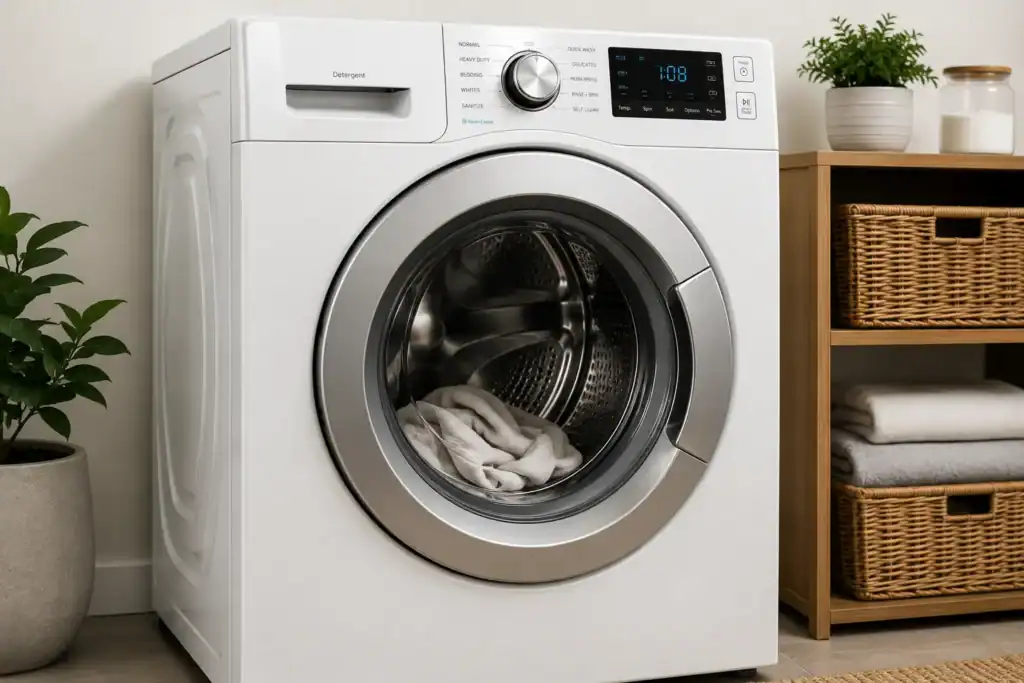
Why Won’t My Washer Drain?
Learn what causes drainage issues and how to diagnose pumps, hoses, and filters.
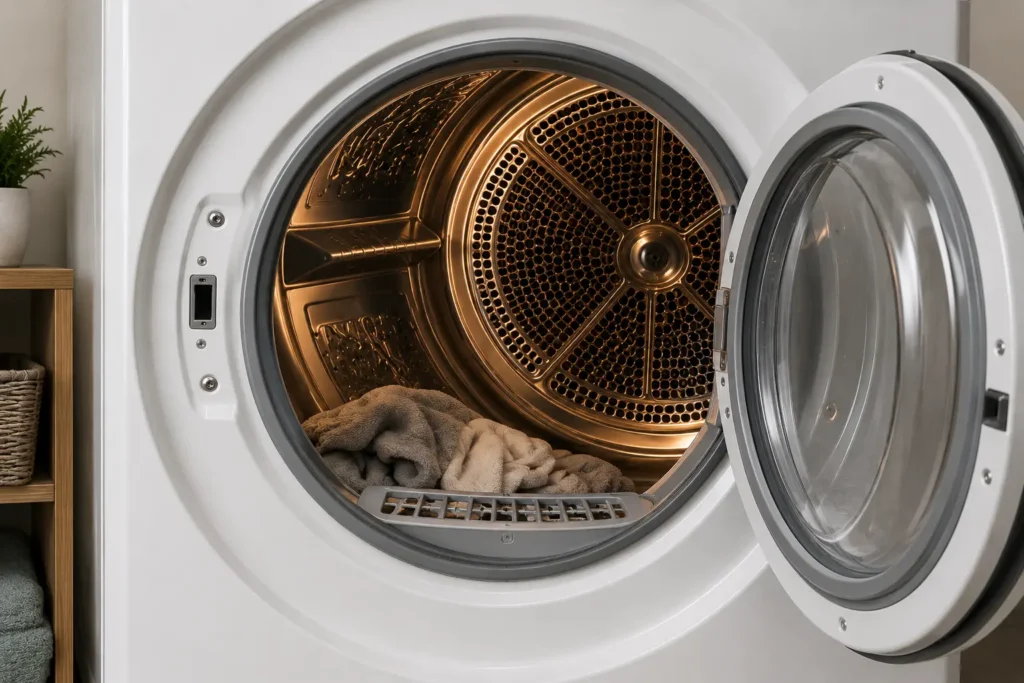
Why Is My Dryer Not Heating?
Find out the most common reasons why your dryer doesn’t heat and how to fix them.
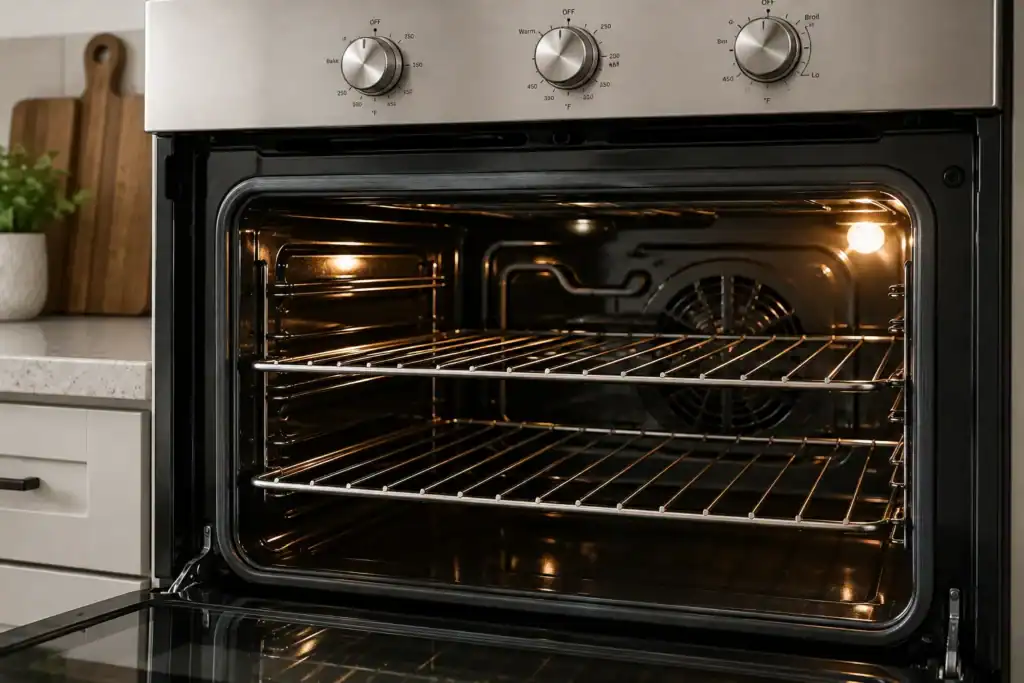
Oven Not Heating? Top 6 Causes
From bad igniters to control boards—here’s how to identify the problem.